
Medicare + Medicaid
Medicare & Medicaid (dual-eligible)
People who qualify for both programs are called dual-eligible, and they can usually get far more coverage for far less money — through a Dual Eligible Special Needs Plan (D-SNP), a Medicare Savings Program that pays their Part B premium, and Extra Help that nearly eliminates drug costs.
Who it’s designed for
- People on Medicare who also have full Medicaid benefits from their state
- People on Medicare whose income and assets are modest enough for a Medicare Savings Program to pay some or all of their Part B premium
- People struggling with Part B or drug costs who have never applied, and may not know they’d qualify
- Family members and caregivers coordinating benefits for a parent
Worth a phone call even if you’re unsure
Many people who would qualify for these programs never apply, because the eligibility rules are dense and the applications are separate. Checking costs nothing, takes one conversation, and can be worth well over two thousand dollars a year. Call (877) 808-2900 and we’ll walk through it.
What a D-SNP generally covers — and generally doesn’t
Generally covered
- Everything Medicare Parts A and B cover, plus Part D drugs
- Very low or $0 plan premium and $0 or near-$0 copays for most services
- Usually: dental, vision, hearing aids, transportation to appointments
- Often: an over-the-counter or grocery allowance on a plan card
- Care coordination — a case manager who helps line up services
Generally not covered
- Providers outside the plan’s network, for routine care
- Services requiring prior authorization that wasn’t obtained
- Long-term services and supports, unless your state’s Medicaid program includes them
- Benefits beyond your specific Medicaid eligibility category — partial-benefit duals get less than full-benefit duals
D-SNP availability and benefits vary widely by state and county, because they depend on how each state’s Medicaid program is structured.
Eligibility considerations
Three separate programs are in play. They’re applied for in different places, and qualifying for one often qualifies you for another.
1. Medicaid
Run by your state, with income and asset limits that differ by state and by category. Apply through your state Medicaid agency.
2. Medicare Savings Programs
QMB, SLMB and QI. Depending on which you qualify for, the program pays your Part B premium and may cover deductibles and coinsurance. Also through your state.
3. Extra Help (Part D LIS)
Applied for through Social Security, and automatic if you have Medicaid or a Medicare Savings Program. Available up to 150% of the federal poverty level.
Enrollment considerations
You don’t have to wait for fall
Gaining, losing or changing Medicaid or Extra Help status opens a Special Enrollment Period, so dual-eligible enrollment often happens outside the October–December window.
Integrated plans change monthly
Many full-benefit duals may switch to an integrated D-SNP once a month. The rules were tightened recently, so confirm what applies to your situation this year.
Keep your Medicaid current
Medicaid requires periodic renewal. If your Medicaid lapses, your D-SNP eligibility can lapse with it — open the mail from your state agency.
Bring your cards
Your Medicare card, your state Medicaid card, and any letters about Extra Help or QMB status tell us exactly which category you’re in — which determines which plans you can join.
Important limitations
- D-SNPs are Medicare Advantage plans, so network and prior-authorization rules apply.
- Not every county has a D-SNP, and where several exist their extra benefits differ a great deal.
- Partial-benefit duals — people in a Medicare Savings Program but not full Medicaid — can be limited to certain plans and get fewer wraparound benefits.
- Losing Medicaid eligibility can end your enrollment after a grace period, so income and asset changes matter.
- If you have QMB status, providers are generally prohibited from billing you for Medicare cost-sharing. If you get a bill anyway, tell us.
Frequently asked questions
Which pays first, Medicare or Medicaid?
Medicare pays first. Medicaid is the payer of last resort and picks up costs Medicare doesn’t cover, within your state’s rules.
Do I have to join a D-SNP?
No. You can stay with Original Medicare, Medicaid and a stand-alone Part D plan. A D-SNP is usually simpler and adds benefits, but it comes with a network — if your specialist isn’t in it, staying put can be the better choice.
Will my grocery or OTC card cover anything I want?
No — allowances are capped, limited to approved items and stores, and often expire quarterly. They’re a real benefit, but they should never be the main reason you pick a plan. Your doctors and your prescriptions should be.
Can you apply for Medicaid or Extra Help for me?
Those applications go to your state agency and to Social Security, not to us — but we’ll tell you which ones you likely qualify for, what documents to gather, and where to send them. Your local SHIP office can also help at no cost.
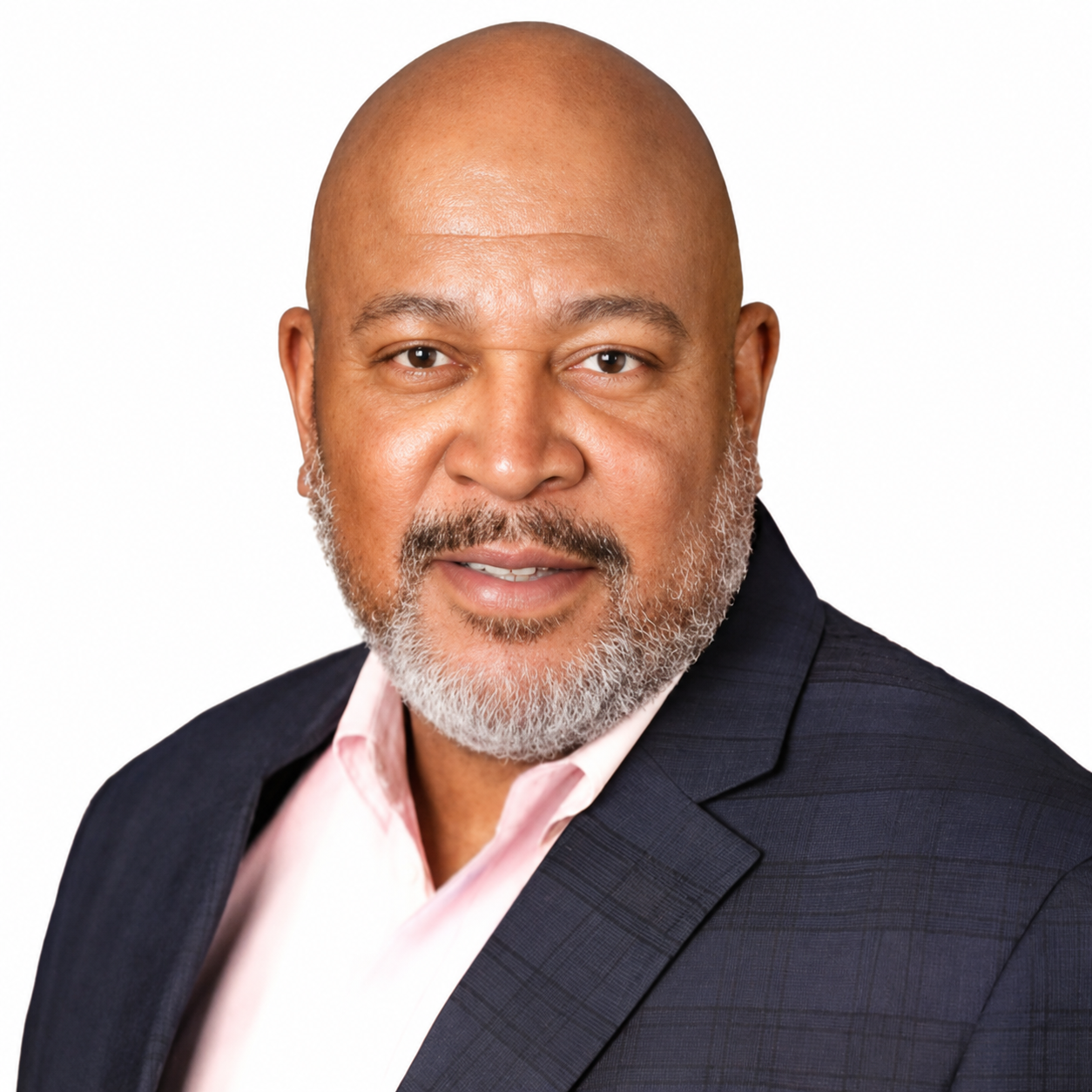
Talk with James directly
James O’Neal
Licensed agent & broker · O'Neal Insurance Group
- No cost for our help — ever
- Independent — many carriers, not one
- You keep the same agent next year
- Plain answers, no pressure to switch
Mon–Fri, 8am–6pm. Leave a message anytime.