
Part D
Part D prescription drug plans
Part D is private insurance for the prescriptions you fill at a pharmacy — you buy it either as a stand-alone plan next to Original Medicare or bundled inside a Medicare Advantage plan, and because every plan covers a different list of drugs at different prices, the cheapest plan is specific to your medications.
The 2026 figures worth knowing
Set by CMS. Individual plan premiums, copays and covered drugs vary.
$2,100
Yearly cap on what you pay out of pocket for covered drugs. After that, covered prescriptions cost you $0 for the rest of the year.
$615
The most any plan’s annual deductible can be. Many plans set a lower one, or none at all.
~$34.50
Projected average monthly premium for a stand-alone plan. Real premiums range from a few dollars to well over $100.
You can also spread the cost across the year
The Medicare Prescription Payment Plan lets you pay your out-of-pocket drug costs in level monthly amounts instead of all at once at the pharmacy counter. It doesn’t lower the total — it smooths it. Worth asking about if an expensive prescription hits in January.
Who it’s designed for
- Anyone on Original Medicare, with or without a Medigap policy, who fills prescriptions
- People taking no medications today who still want coverage in place to avoid a lifelong late penalty
- People on a high-cost specialty or brand-name drug, where the yearly cap changes the math entirely
- People with limited income who may qualify for Extra Help and pay very little
What it generally covers — and generally doesn’t
Generally covered
- Drugs on the plan’s formulary, sorted into cost tiers
- At least two drugs in most therapeutic classes, as CMS requires
- Protected classes such as antidepressants, antipsychotics, anticonvulsants, immunosuppressants, cancer and HIV drugs
- Insulin at a capped monthly copay, and adult vaccines recommended by ACIP at $0
- Lower prices at the plan’s preferred pharmacies
Generally not covered
- Drugs left off the plan’s formulary
- Drugs a doctor administers in the office — those fall under Part B
- Over-the-counter medicines and most vitamins
- Drugs for weight loss or gain, fertility, or cosmetic purposes, by statute
- Fills at out-of-network pharmacies, outside limited exceptions
Enrollment & eligibility considerations
You need Part A or Part B
And you must live in the plan’s service area. You can be in only one Part D plan at a time.
The late enrollment penalty
Go 63 days or more without Part D or other creditable drug coverage and a permanent surcharge is added to your premium — roughly 1% of the national base premium for each month you went without, for as long as you have Part D.
Oct 15 – Dec 7
Annual Enrollment. This is the one dependable chance each year to change plans — and the right time to re-price your drug list, because formularies change every January.
Extra Help
People with limited income and resources may qualify for the Low-Income Subsidy, which can eliminate the premium and deductible and cap copays — and it opens a Special Enrollment Period.
Important limitations
- Formularies change annually, and can change mid-year with notice. A drug can move to a higher tier or drop off.
- Utilization management is common: prior authorization, step therapy, and quantity limits.
- The $2,100 cap applies only to drugs your plan covers. It does not count premiums, non-formulary drugs, or Part B drugs.
- Higher-income households pay a Part D IRMAA surcharge directly to Social Security, on top of the plan premium.
- A low premium with a bad formulary can cost far more than a higher premium with a good one. Compare total annual cost, not the premium.
Frequently asked questions
I don’t take any medications. Do I still need a plan?
Usually yes. A minimum-premium plan is inexpensive insurance against both a new prescription and the permanent late penalty. The exception is if you already have creditable drug coverage — from an employer, retiree plan, TRICARE or the VA.
What if my drug isn’t on the formulary?
Your doctor can request a formulary exception, or you can appeal. Plans must also give a temporary transition supply when you’re new to a plan. If it’s a drug you’ll take for years, the better answer is usually choosing a plan that covers it at the next Annual Enrollment.
Is the coverage gap — the “donut hole” — gone?
Yes. Part D now has a deductible phase, an initial coverage phase, and then the out-of-pocket cap — after which covered drugs are $0 for the rest of the year. There’s no longer a gap phase in the middle.
How do you price my plan?
Have your bottles or a printed list handy — drug name, dose, and how often you take it — plus your preferred pharmacy. We run that exact list through the available plans and show you the projected annual total for each.
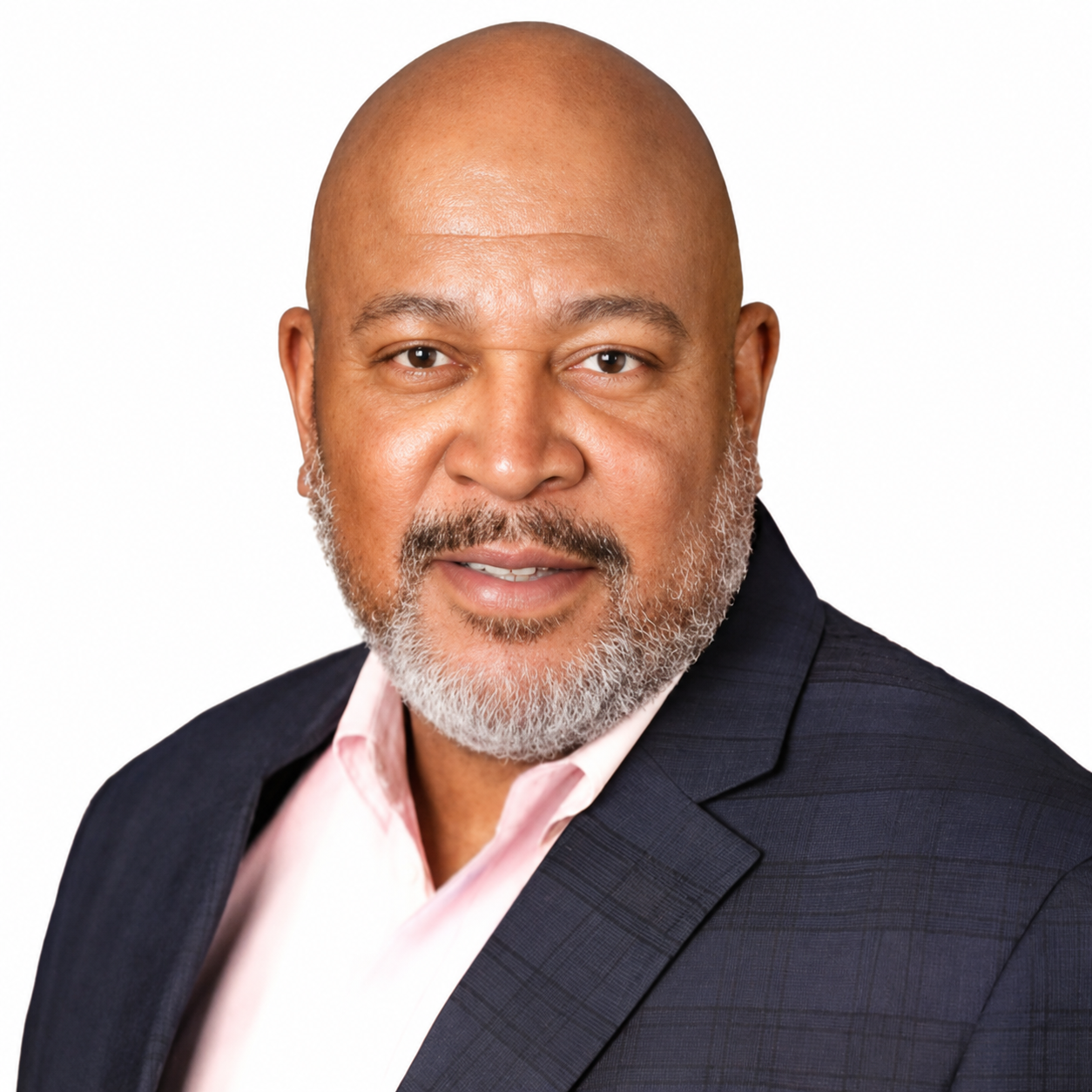
Talk with James directly
James O’Neal
Licensed agent & broker · O'Neal Insurance Group
- No cost for our help — ever
- Independent — many carriers, not one
- You keep the same agent next year
- Plain answers, no pressure to switch
Mon–Fri, 8am–6pm. Leave a message anytime.